

Search Courses
BLOOD BANKING
Life Science
Blood banking is a medical and laboratory service that involves the collection, testing, processing, storage, and distribution of blood and blood components for transfusion and medical treatment.
In blood banking:
-
Blood is collected from donors
-
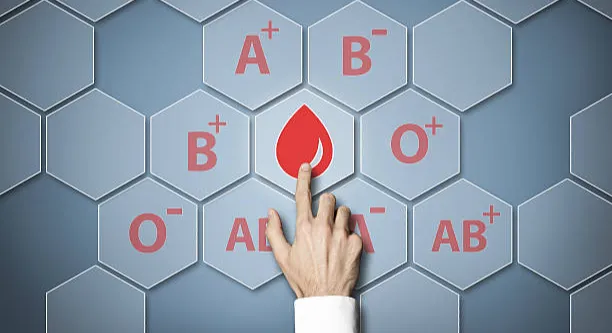
It is tested for blood groups (such as ABO and Rh) and infectious diseases
-
Blood is separated into components (red blood cells, plasma, platelets)
-
These components are stored safely under controlled conditions
-
Blood is matched and issued to patients who need transfusions
Blood banking is important because it:
-
Saves lives during surgeries, accidents, childbirth, and severe illnesses
-
Ensures safe and compatible blood for patients
-
Supports treatments for anemia, cancer, bleeding disorders, and trauma
Blood banking is a key part of medical microbiology and transfusion medicine.


What you’ll learn
1. Educational Requirements
-
Basic knowledge of biology
-
Understanding of human anatomy and physiology
-
Introductory knowledge of microbiology
-
Basic biochemistry concepts
-
Basic knowledge of biology
-
Understanding of human anatomy and physiology
-
Introductory knowledge of microbiology
-
Basic biochemistry concepts


Requirements
1. Educational Requirements
-
Basic knowledge of biology
-
Understanding of human anatomy and physiology
-
Introductory knowledge of microbiology
-
Basic biochemistry concepts
-
Basic knowledge of biology
-
Understanding of human anatomy and physiology
-
Introductory knowledge of microbiology
-
Basic biochemistry concepts